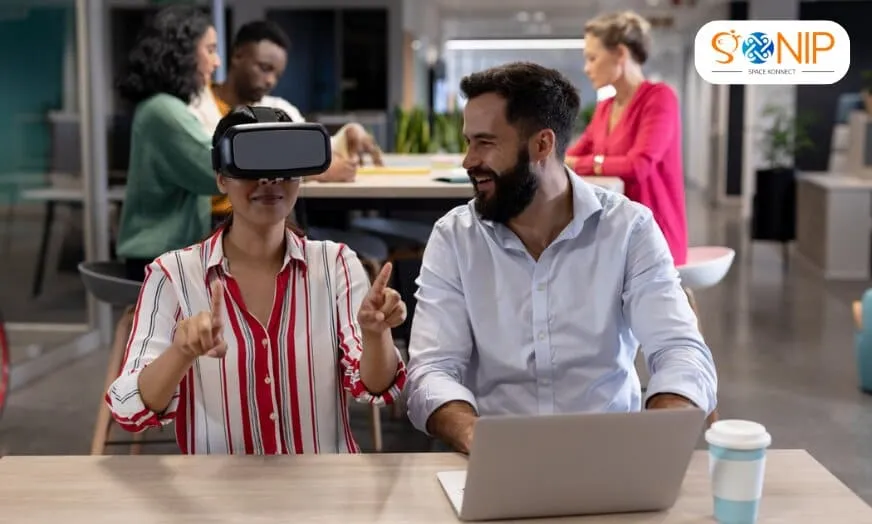
The Workforce Generation Changing Everything
Gen Z is no longer the “future workforce”—they are the present.
As digital natives enter organizations across sectors, they are redefining expectations from workplaces. Unlike previous generations, Gen Z prioritizes flexibility, purpose, and experience over hierarchy and permanence.
This shift is accelerating demand for managed office spaces in India, where workplaces are designed to adapt quickly to evolving work styles, hybrid models, and technology-led collaboration.
Organizations that understand this generational change are not just upgrading offices—they are redesigning how work itself functions.
Why Gen Z Prefers Managed Office Spaces in India
Flexibility Over Fixed Infrastructure
Gen Z rejects rigid seating plans and static environments.
They prefer workplaces that allow movement, collaboration zones, and adaptable layouts—something traditional offices struggle to deliver.
Managed office spaces in India provide:
- Scalable seating without long-term lock-ins
- Activity-based work environments
- Hybrid-ready infrastructure
Technology Must Be Seamless
For Gen Z, workplace technology is not an added benefit-it is expected.
They seek:
- Smart meeting rooms
- High-speed connectivity
- Integrated digital collaboration tools
- Plug-and-play work environments
Managed offices enable this without companies investing heavily in IT setup.
Experience Matters More Than Ownership
This generation values how a workplace feels, not who owns it.
They expect:
- Community-driven spaces
- Hospitality-style services
- Wellness-oriented design
- Natural light, breakout zones, and creative energy
This is why managed office spaces in India are becoming talent magnets.
The Shift From “Real Estate” to “Workplace Experience”
Offices Are Becoming Talent Strategy Tools
For Gen Z, the workplace influences:
- Whether they join a company
- How long they stay
- How productive they feel
Companies now use workspace design as a competitive advantage in hiring.
Agility Is the New Stability
Traditional leases assume certainty.
Gen Z works in an era defined by experimentation, startups, and rapid scaling.
Managed office spaces in India allow businesses to:
- Expand teams without relocation stress
- Enter new cities quickly
- Adjust capacity based on project cycles
This aligns perfectly with Gen Z’s agile mindset.
How Gen Z Is Driving the Future of Workspaces
The Future of Workspaces is being shaped by behavioral change, not just design trends.Cultural Expectations
Gen Z expects workplaces to reflect:
- Transparency
- Collaboration
- Inclusivity
- Innovation-driven culture
Hybrid Is the Default Model
They move fluidly between physical and digital environments.
Managed office spaces support this through ready-to-use infrastructure that blends remote and in-person collaboration.
Speed Matters More Than Permanence
Organizations must evolve quickly to remain relevant to Gen Z talent.
Managed environments remove operational friction, enabling companies to focus on growth instead of facilities management.
Why Businesses Are Aligning With This Shift
Adopting managed office spaces in India is no longer about cost savings alone—it’s about staying aligned with workforce evolution.
Business Benefits Include:
- Faster team onboarding
- Reduced capital expenditure
- Consistent employee experience across locations
- Workplace scalability aligned with hiring cycles
- Stronger employer branding among Gen Z professionals
Conclusion
Gen Z is not just entering the workforce—they are redefining it.
Their expectations for flexibility, technology integration, and meaningful workplace experiences are accelerating the transition toward managed office spaces in India.
Organizations that adapt to this transformation position themselves to attract top talent, scale efficiently, and remain resilient in a rapidly evolving business landscape.
The future workplace is not owned.
It is experienced, adaptable, and continuously evolving.
FAQs
Q1. Why does Gen Z prefer managed office spaces in India?
Ans. They value flexibility, collaborative environments, and tech-enabled workplaces that adapt to their work style rather than fixed corporate setups.
Q2. Are traditional offices becoming irrelevant?
Ans. Not irrelevant—but they must evolve to offer agility, experience, and scalability comparable to managed environments.
Q3. How do managed workspaces help employers attract Gen Z talent?
Ans. They provide modern infrastructure, vibrant environments, and flexible models that align with Gen Z’s expectations of work-life integration.
Q4. Is this shift temporary or long-term?
Ans. It reflects a long-term cultural and technological evolution shaping the Future of Workspaces globally.
Q5. What should companies do next?
Ans. Adopt adaptable workplace strategies, leverage managed office spaces in India, and design environments centered around workforce experience rather than real estate ownership.