Introduction
The way a company sets up its office is really important today. Companies want to find ways to attract and keep employees. It's not about paying them well and offering benefits. The office itself plays a role. It affects how employees feel how motivated they are and how well they do their jobs. A designed office is not just about desks and chairs. It's about creating a space that helps people work well and feel good.
Office design is crucial. It affects how employees work together talk to each other and do their tasks. A planned workspace can help people work together reduce stress and help them focus. Many companies are now using work models and office ideas. Office design is a tool for creating a space thats efficient and fun to work in.
Companies are spending money on layouts and spaces that encourage teamwork, comfortable workstations and technology-enabled spaces. They want to create offices that inspire ideas. The right office design does not just make the company work better. It also makes employees happier and more likely to stay.
Understanding Office Design
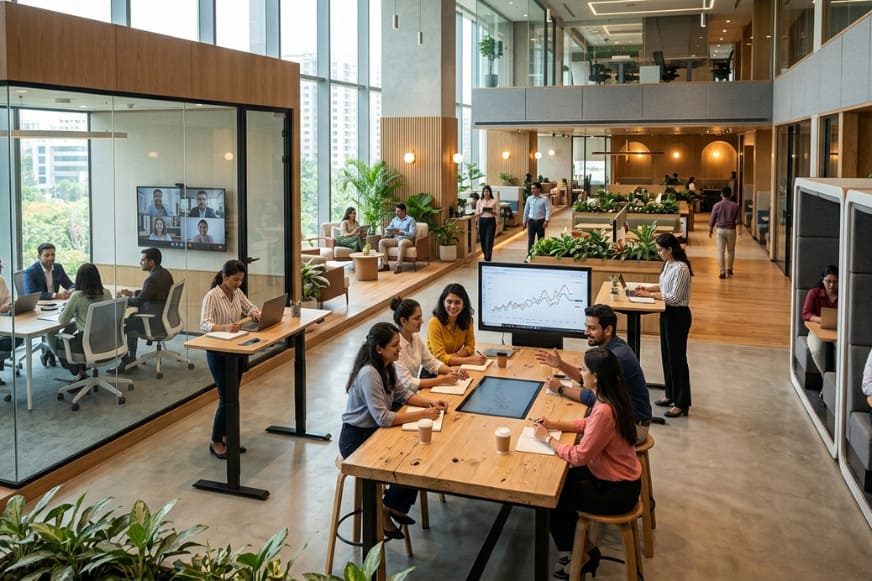
Office design is about planning and arranging office spaces to help employees and the company. It includes everything from the office layout to the furniture, lighting and technology. A designed office thinks about how employees work, talk and team up.
Companies are moving away from offices with fixed desks. They're using workplaces instead. Employees can choose where they want to work based on what they're doing. For example someone working on a project that needs focus might want a space. A team working together might need a space where they can collaborate. Office design creates areas to support ways of working.
Companies that care about office design show that they value their employees. This creates a work culture where employees feel comfortable, motivated and connected to the company.
How Office Design Improves Productivity
Employee productivity depends on things. It depends on how motivated they're how comfortable they are how well they can focus and how efficiently they can work. The physical space where employees spend most of their day affects how well they do their job.
A designed office can be a big help. It can reduce distractions, discomfort and stress. This can boost productivity. On the hand a poorly designed office can be distracting, uncomfortable and stressful. This can reduce productivity.
Things like furniture, good lighting and organized layouts make for a healthier and more productive workplace. Employees who work in designed spaces are more likely to stay focused and happy with their jobs.
Some key things that help productivity include:
- Desks and chairs that're comfortable and don't hurt your body.
- Quiet spaces where employees can focus without distractions.
- Areas with technology that make work easier.
Office design also helps by reducing movement and making things easier to access. When employees can easily get to meeting rooms, teamwork areas and important facilities they can use their time better.
A workspace that inspires can also improve creativity. Colors, the way the office looks and thoughtful details can affect mood. They can encourage ideas. A workplace that feels energetic and welcoming motivates employees to contribute more.
Office Design and Better Teamwork
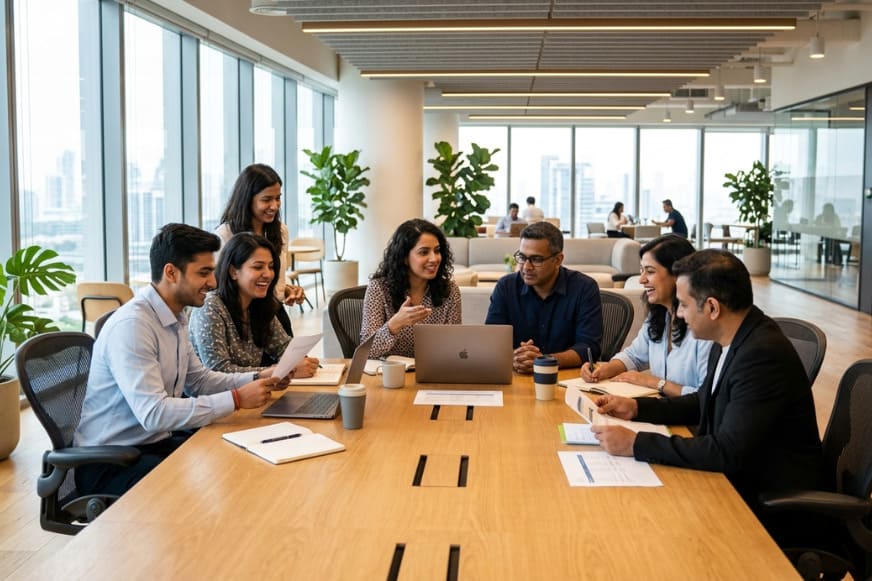
Teamwork is essential for business growth and new ideas. Companies need spaces that encourage communication, teamwork and sharing knowledge. Traditional offices with rooms and fixed desks often limit interaction between teams.
Modern office design focuses on creating spaces where employees can easily connect and share ideas. Open discussion areas, informal meeting spaces and shared work zones encourage conversations and teamwork.
A flexible office layout lets employees from teams interact more. These interactions often lead to ideas, faster problem-solving and stronger work relationships.
Collaborative office design helps companies create a culture where employees feel more connected and engaged. When people can talk openly they work better together. They trust each other more.
Technology also plays a role in teamwork. Smart meeting rooms, digital tools and hybrid work solutions let employees work together effectively whether they're in the office or not.
The Role of Office Design in Retention
Keeping employees is a challenge for companies. While pay is important employees also think about workplace culture, flexibility and overall work experience when deciding whether to stay.
A designed office creates an experience that encourages loyalty. When employees feel comfortable and valued they're more likely to connect with the company.
Office design can influence retention by creating a space where employees enjoy spending time. A modern office with spaces, wellness areas and teamwork zones shows that the company cares about employees.
Employees are also more likely to stay with companies that offer work environments that're friendly and supportive. Flexible designs let employees balance work and teamwork effectively.
Important things that improve retention include:
- Spaces that focus on employee comfort and well-being.
- Flexible layouts that adapt to changing work needs.
- Areas that encourage relaxation and social interaction.
A positive workplace environment strengthens company culture. It helps attract professionals. Employees who feel connected to their workplace are more likely to stay engaged and committed for the term.
The Impact of Office Design on Well-being
Employee well-being is a priority for companies. A workplace should support not work activities but also physical and mental health.
Poor lighting, furniture, much noise and limited movement can hurt employee health and productivity. Office design addresses these issues by creating environments that support being.
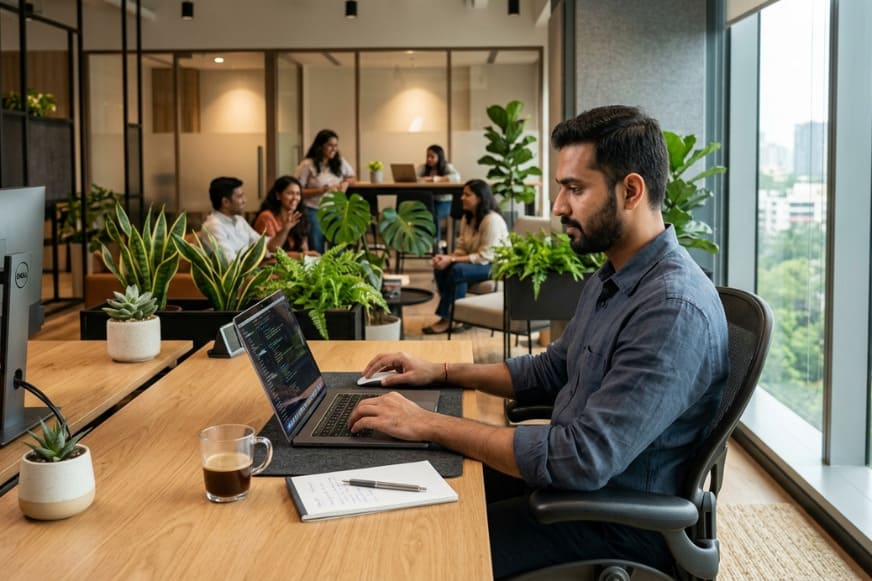
Incorporating elements like plants, light and outdoor connections is becoming popular. These elements create a calming atmosphere. They improve employee mood.
Designed workplaces also include wellness areas, breakout zones and spaces for breaks. These areas reduce stress. They improve workplace satisfaction.
By focusing on employee well-being companies can create work environments where employees feel more energetic and motivated.
Office Design Trends
The future of office design is about flexibility, technology and employee experience. Companies are moving away from offices and adopting designs that support changing work patterns.
Hybrid workspaces are becoming common letting employees choose where and how they work. Flexible seating, smart meeting rooms and multipurpose spaces help companies create offices that're adaptable.
Sustainable office design is also a growing trend. Companies are using eco- materials, energy-efficient solutions and environmentally responsible practices in their offices.
Modern office design trends include:
- workplaces that support work styles.
- Smart technology for workplace management.
- Sustainable designs that focus on responsibility.
These trends show how important it is to create workplaces that're functional and ready for the future.
Why Invest in Office Design?
Investing in office design is investing in employees and business success. A designed office can improve productivity strengthen teamwork and increase employee satisfaction.
Companies that create workplaces that're supportive and engaging have an advantage in attracting and keeping talented employees. Employees today expect workplaces that support flexibility, creativity and comfort.
A professional workplace environment also improves the companys image. Clients and visitors often form opinions about a company based on its office. A modern and organized workspace shows professionalism and innovation.
Office design should be a long-term business strategy, not a project to improve the interior. The right design can positively affect employee behavior, company culture and overall performance.
Office design has changed from arranging offices to a powerful business strategy. It affects how employees work communicate and connect with their company.
A designed office improves productivity by creating efficient environments. It strengthens teamwork by encouraging communication and collaboration. Importantly it supports employee retention by creating a workplace where people feel valued and motivated.
As businesses keep evolving office design will remain important for building companies. Companies that focus on creating employee- workspaces will be better at improving performance attracting talent and achieving long-term growth.
Frequently Asked Questions (FAQs)
1. What is office design?
Office design is about planning and arranging office spaces to improve employee productivity, teamwork, comfort and overall workplace experience. It includes office layouts, furniture, lighting, technology and employee-focused facilities.
2. How does office design improve productivity?
Office design improves productivity by creating work environments that support focus reduce distractions and improve efficiency. Things like furniture, good lighting and dedicated work zones help employees perform better.
3. Can office design impact employee retention?
Yes office design can influence employee retention by improving satisfaction and creating a work experience. Employees are more likely to stay with companies that provide workplaces that're supportive and engaging.
4. What are the key elements of office design?
The key elements include layouts, comfortable furniture, collaborative spaces, light, technology integration, wellness areas and employee-friendly facilities.
5. Why is office design important for businesses?
Office design helps companies create environments that support employees improve company culture and help attract and keep top professionals.